
10 Lessons I Learned About Late Diagnosed Autism in Women from My Journey in From Masking to Meaning
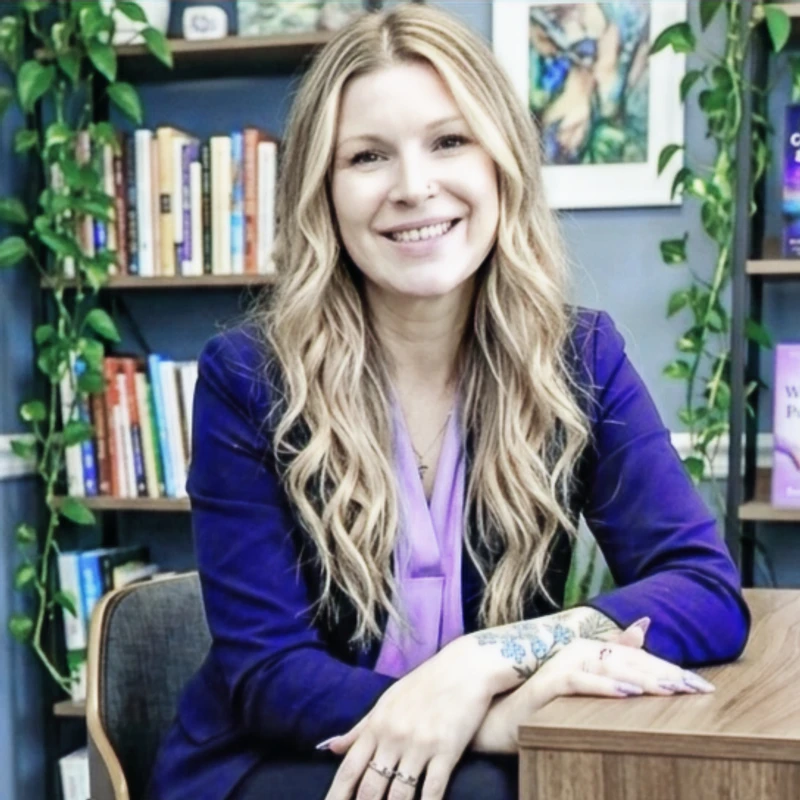
Living with a disability can often feel like wandering through a maze filled with societal expectations and hidden truths. In my memoir, From Masking to Meaning: My Path to Authenticity, I share my experiences as an undiagnosed autistic woman, revealing how I navigated life wearing a mask that hid my true self. Now, as I reflect on my journey, I want to share ten key lessons about late-diagnosed autism in women. These insights may resonate with others who find themselves on a similar path.
1. The Power of the Mask
For years, I donned a mask to blend into societal norms. This facade allowed me to fit in and to remain safe in a household that lacked safety, but also meant hiding my true self. Research shows that up to 70% of women with autism engage in masking behaviors to avoid social rejection. This masking can lead to feelings of isolation and mental exhaustion, as we prioritize social acceptance over authenticity. Because women are more naturally prone to masking anyway, it can be misdiagnosed as a pro-social behavior early on.
2. Navigating Social Expectations
Women are often faced with societal expectations about communication and emotional expression. In my memoir, I discuss how overwhelming it was to conform to these standards. A study by the National Autistic Society found that 63% of women reported feeling they had to conform to social norms, leading to anxiety and self-doubt. Women on the spectrum often feel a sense of "otherness" no matter how hard they try to fit in, like they are just acting out small talk, deep emotional bonding, and relationships. They may feel imposter syndrome in the professional world, no matter how good they are at what they do (and I promise you, we're good at our jobs). Recognizing the impact of these pressures brings clarity to our struggles.
3. Sensory Overload Is Real
I often felt overwhelmed by the world around me—specific emotions, sounds, smells, textures, and lights triggered a strong response. I was diagnosed with migraines early in adulthood which directly tied into my sensory sensitivities. In my story, I highlight how understanding my sensory sensitivities helped me make sense of my experiences. Many late-diagnosed women discover that sensory overload significantly impacts their daily lives. For instance, 70% of women with autism report heightened sensory experiences, which can create challenges in various environments, from home to work.
4. The Importance of Self-Identification
One of the most empowering aspects of late diagnosis is the chance to identify authentically. Before, I felt like an actor in someone else's play. Through exploring my identity and understanding autism better, I began to embrace my true self. This self-recognition is crucial for personal growth, helping women realize they do not need to fit into traditional molds.

5. Community Matters
Connecting with other neurodivergent individuals was a cornerstone of my journey. Finding a supportive community can provide understanding and shared experiences. In my memoir, I emphasize the strength that comes from these connections. Studies show that having a strong support system can significantly improve mental health, making it essential for late-diagnosed women to seek out similar individuals. Online communities, local support groups, and social media are great places to start. A place like Reddit which typically gets a bad reputation for trolling can also be a santuary of understanding from like-minded individuals.
6. Challenging Stereotypes
Despite increased awareness about autism, stereotypes persist, particularly regarding how it manifests in women. My book challenges these misconceptions, showing that late-diagnosed women may present different traits than those commonly understood. For example, many women excel in areas such as empathy and multitasking, qualities often overlooked in traditional autism discussions because they can be considered pro-social behaviors. It’s vital to broaden our understanding to include these diverse expressions.
7. Embracing the Journey of Self-Discovery
The road to authenticity is often filled with ups and downs. My memoir captures the emotions of confusion, frustration, and breakthrough. For women diagnosed later in life, embracing this self-discovery journey involves recognizing quirkiness and the unique strengths that neurodivergence offers. Statistics show that over 80% of late-diagnosed women experience a renewed sense of self after embracing their neurodivergent identity. If you are supporting someone with autism, it is important to know that sometimes skill regression happens too, and that can be overwhelming.
8. The Role of Support Systems
Support from mentors, friends, and family plays a crucial role in facing challenges. I express deep gratitude for those who supported me throughout my journey. Building and relying on these support systems is essential for late-diagnosed women to thrive. This can be as simple as having a trusted friend to talk to or seeking out a mentor who understands autism.
9. Advocating for Oneself
A vital lesson I learned is the importance of self-advocacy. Being clear about my needs helped me navigate various environments, from workplaces to social settings. Evidence suggests that individuals who advocate for themselves report higher job satisfaction and social fulfillment. My journey taught me that education and awareness can create a more inclusive atmosphere for those with late diagnoses.

10. Authenticity Is a Journey, Not a Destination
Ultimately, embracing authenticity is an ongoing process. My memoir shares my moments of success and struggle along the way. For women navigating late diagnoses, this journey is about continuously redefining oneself. It requires patience and kindness towards oneself. Remember, it is alright to take time to learn and grow.
Embracing Your Journey
Through the lessons in From Masking to Meaning: My Path to Authenticity, I hope to illuminate the often-overlooked conversation about late-diagnosed autism in women. This journey is more than my own; it is a call for you to explore your story. If you have ever felt unseen or misunderstood, know that seeking authenticity is a worthwhile endeavor. Consider your experiences, each moment a brushstroke on the canvas of your life. Together, we can craft a narrative that honors the beauty and intricacy of being neurodivergent. Your story is a tapestry woven with unique threads of perspective, resilience, and creativity.
As you reveal your story, you embark on a journey of self-discovery. Each word you share is a step towards understanding your true self, a celebration of the diverse ways in which our minds can perceive the world. Embrace the quirks and differences that make you who you are; they are not obstacles but rather the colors that enrich your narrative.
In the act of sharing, you may find clarity, strength, and connection. Let your experiences inspire not only yourself but also others who may feel alone in their journey. Together, we can create a community that uplifts and celebrates neurodiversity, reminding everyone that our differences are the very essence of our humanity.


Comments