
Embracing Authenticity: Small Self-Care Strategies for Neurodivergent Women in Today's Climate
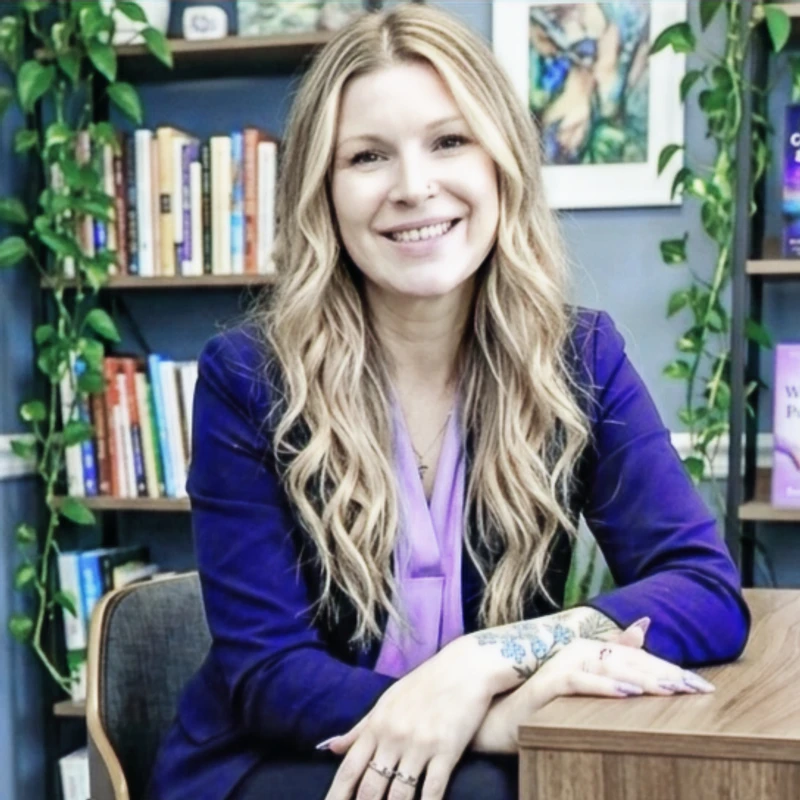
Living as a neurodivergent woman, especially if you are late diagnosed or still navigating your identity, can feel overwhelming in today’s political and social climate. The pressure to conform often leads to autism masking, which can drain your energy and blur your true self. I want to share small, practical ways to remain authentic, gently unmask autism, and care for yourself and those close to you without burning out.
Recognize Your Limits and Honor Them
One of the first steps to unmasking autism is understanding your personal limits. Many late diagnosed autistic women find themselves pushing past their boundaries to fit in or avoid conflict. This often leads to autistic women burnout, a state of physical and emotional exhaustion.
Set clear boundaries around social interactions and sensory input. For example, if noisy environments overwhelm you, plan shorter outings or bring noise-canceling headphones.
Communicate your needs honestly with friends and family. You don’t have to explain everything, but sharing simple requests like “I need quiet time after work” helps others support you.
By respecting your limits, you reduce the need for masking and protect your energy.

Create Safe Spaces for Authenticity
Having environments where you can be yourself without judgment is essential. This might be a physical space or a group of people who understand neurodivergence.
Designate a calming corner at home with items that soothe you, such as weighted blankets, soft lighting, or favorite books.
Connect with communities of neurodivergent women online or in person. Sharing experiences with others who understand autism masking can be validating and empowering.
Safe spaces allow you to practice unmasking autism in small, manageable ways.
Practice Gentle Self-Care Routines
Self-care doesn’t have to be elaborate or time-consuming. Small, consistent habits can make a big difference in managing stress and preventing burnout.
Use sensory-friendly activities like gentle stretching, listening to calming music, or spending time in nature.
Schedule regular breaks during your day to check in with yourself. Even five minutes of deep breathing or a quiet moment can reset your energy.
Prioritize sleep and nutrition as foundational self-care. These support your brain and body, helping you cope better with daily challenges.
These routines help neurodivergent women maintain balance without feeling overwhelmed.
Support Those Close to You Without Overextending
Caring for others is important, but it should not come at the cost of your well-being. Here are ways to support loved ones while protecting your energy:
Set realistic expectations for what you can offer emotionally and physically.
Share your experiences with trusted people to foster understanding and mutual support.
Encourage open communication so everyone’s needs are acknowledged and respected.
This approach helps prevent autistic women burnout by balancing care for others with self-care.
Embrace Small Acts of Unmasking
Unmasking autism doesn’t mean revealing everything at once or in every situation. It’s about small, intentional steps toward authenticity.
Allow yourself to express stimming behaviors in safe settings, like tapping your fingers or rocking gently.
Use your preferred communication style, whether that means writing instead of speaking or using visual aids.
Celebrate your unique strengths and interests without apology.
These small acts build confidence and reduce the exhaustion of constant masking.


Comments