
Understanding Medical Gaslighting: A Call for Change
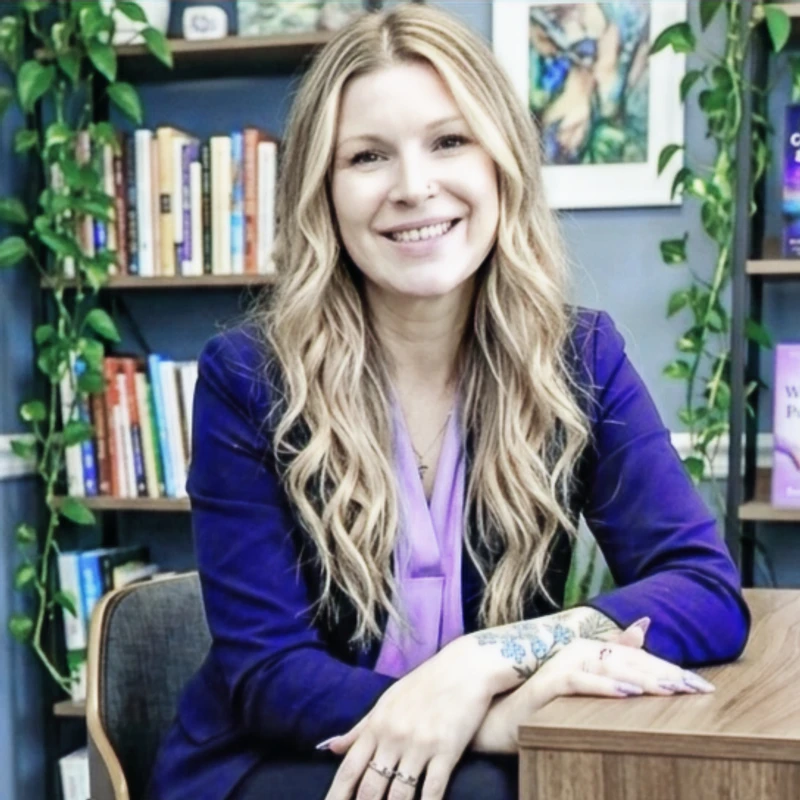
Medical gaslighting is a serious issue that affects many people, especially chronic pain patients, neurodivergent individuals, and women with multiple diagnoses. It happens when healthcare providers dismiss or minimize a patient’s symptoms, making them doubt their own experiences. This can lead to delayed diagnoses, inadequate treatment, and emotional distress. As someone who identifies with high masking women and has witnessed the struggles of neurodivergent women, I want to shed light on how medical gaslighting impacts these groups and why it needs urgent attention.
The Impact of Medical Gaslighting on Chronic Pain Patients
Chronic pain is often invisible, making it easy for doctors to overlook or question its legitimacy. Patients may describe persistent pain that doesn’t show up on scans or tests, leading some healthcare providers to assume the pain is psychological or exaggerated. This dismissal can feel like a betrayal, especially when the patient has been suffering for years.
For example, a woman with fibromyalgia might report widespread pain and fatigue but be told her symptoms are “all in her head.” This not only invalidates her experience but also delays access to treatments that could improve her quality of life. Chronic pain patients often face a cycle of being passed from one specialist to another without clear answers, increasing frustration and isolation.
Unique Challenges Faced by Neurodivergent Women
Neurodivergent women, including those with autism, ADHD, or other neurological differences, often mask their symptoms to fit social expectations. High masking women may appear to cope well on the surface, but this effort can hide their struggles from healthcare providers. When these women seek help, their symptoms might be misunderstood or dismissed because they don’t fit typical diagnostic criteria.
Women with multiple diagnoses, such as a combination of neurodivergence and chronic pain, experience compounded challenges. Their complex health profiles can confuse doctors who are not trained to see how these conditions interact. This can lead to assumptions that symptoms are psychosomatic or exaggerated, rather than a genuine medical issue.
The Emotional Toll of Being Gaslit
Medical gaslighting does more than delay treatment; it damages trust between patients and healthcare providers. When a woman’s pain or neurological symptoms are dismissed, she may start to question her own reality. This self-doubt can worsen mental health, leading to anxiety, depression, and feelings of helplessness.
For high masking women, the pressure to appear “normal” combined with gaslighting can be exhausting. They might avoid seeking medical care altogether, fearing they will not be believed. This creates a dangerous cycle where symptoms worsen without proper support.
Recognizing Medical Gaslighting
Recognizing medical gaslighting is the first step toward addressing it. Some signs include:
Being told your symptoms are “all in your head” or psychological without proper evaluation.
Doctors focusing only on mental health explanations when physical symptoms are present.
Repeatedly having to explain your symptoms without receiving clear answers.
Feeling dismissed or ignored during medical appointments.
Being pressured to accept treatments that don’t address your main concerns.
If you notice these patterns, it’s important to advocate for yourself or seek a second opinion.
Strategies to Navigate Medical Gaslighting
Navigating medical gaslighting requires preparation and support. Here are some practical tips:
Document your symptoms: Keep a detailed journal of your pain, neurological symptoms, and how they affect your daily life. This can help you communicate clearly with healthcare providers.
Bring an advocate: A trusted friend or family member can help you stay focused during appointments and ensure your concerns are heard.
Research your conditions: Understanding your diagnosis empowers you to ask informed questions and challenge dismissive attitudes.
Seek specialists familiar with neurodivergence and chronic pain: Providers with experience in these areas are more likely to take your symptoms seriously.
Connect with support groups: Online or local communities of women with multiple diagnoses can offer validation and advice.
The Need for Change in Healthcare Approaches
Medical gaslighting reflects broader issues in healthcare, including biases against women and neurodivergent people. Providers often rely on outdated stereotypes or lack training on how chronic pain and neurodivergence present differently in women. This leads to misdiagnosis and inadequate care.
Healthcare systems must prioritize education on these topics and encourage patient-centered care. Listening to patients, validating their experiences, and collaborating on treatment plans can improve outcomes. For women with multiple diagnoses, integrated care that addresses all aspects of their health is essential.
Moving Forward: Empowerment and Awareness
Awareness of medical gaslighting is growing, but more work is needed. High masking women and neurodivergent individuals deserve healthcare that respects their experiences and provides effective support. By sharing stories, advocating for better training, and pushing for systemic change, we can reduce the harm caused by gaslighting.
If you are a chronic pain patient or neurodivergent woman, remember that your experience is valid. Trust your instincts and seek care from providers who listen. Together, we can build a healthcare environment that honors every patient’s truth.
The Path to Healing and Authenticity
Healing from the effects of medical gaslighting is a journey. It requires patience, self-compassion, and a commitment to authenticity. I often remind myself that my experiences matter. I encourage you to do the same. Embrace your truth, and don’t let anyone diminish your reality.
In this journey, we can find strength in community. Sharing our stories can empower others to speak up. It can also foster a sense of belonging among those who have felt isolated in their struggles.
Let’s work together to create a world where every voice is heard, and every experience is validated.


Comments