
Unmasking My Truth: A High Masking Woman's Journey to Self-Discovery through Inner-Child and Parts Work
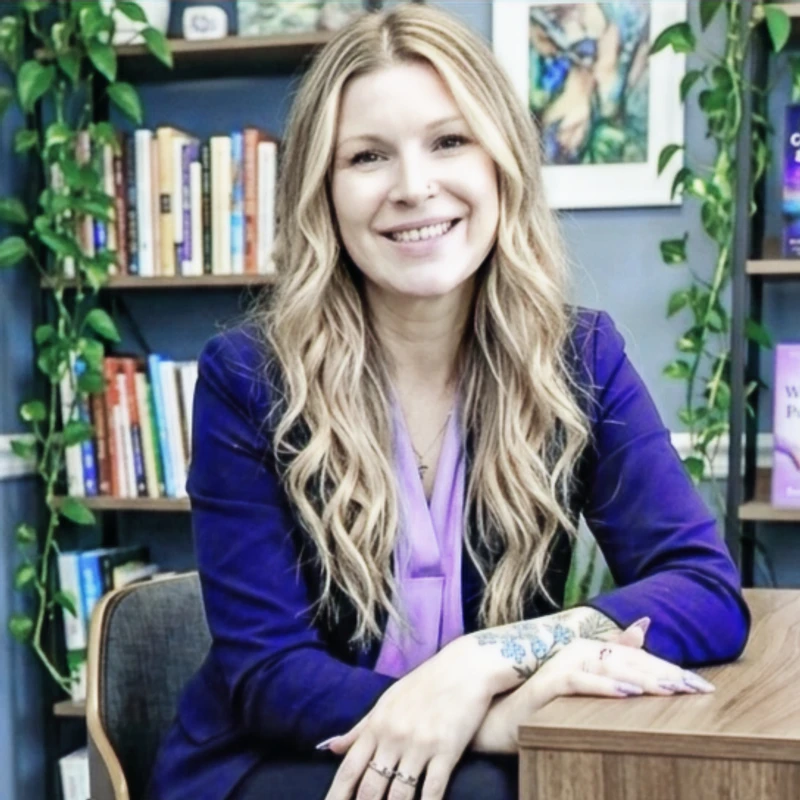
As I sit down to write this blog post, I find myself reflecting on the winding journey that has led me to this moment. My book, From Masking to Meaning: My Path to Authenticity, seeks to unravel the complexities of my experiences as a late-diagnosed high masking low support needs neurodivergant woman. Through the pages of my upcoming book, I want to share not only my story but also insights into why many women, like me, navigate the intricate world of neurodivergence often unnoticed or misunderstood.

The Quest for Healing Trauma
Healing trauma has been a central theme in my journey toward authenticity. In my first book, a book of poems called Resilience in Verse, I begin to unpack this complex topic. For years, I carried the weight of unprocessed experiences that shaped my identity and influenced my behaviors. This quest for healing has been both a challenge and a transformative experience, allowing me to confront the parts of myself that I had long kept hidden.
Embracing Parts Work
Inspired by the principles outlined in the book No Bad Parts, I began to explore the concept of parts work. This approach emphasizes that every part of us, even the ones that seem negative or troublesome, has a role to play in our overall being. By acknowledging and integrating these parts, I started to understand the complexities of my own identity.
Unmasking My True Self
Through parts work, I learned to identify the various aspects of myself that I had masked for so long. This unmasking process was liberating; it allowed me to step away from societal expectations and embrace my authentic self. By nurturing the parts of me that were once silenced by fear or shame, I found a greater sense of peace and acceptance.
Connecting with My Inner Child

One of the most profound aspects of my journey involved reconnecting with my inner child. I lovingly call her Mogly, like from The Jungle Book, only a little girl instead of a little boy. This part of me held the key to many of my traumas and fears. By engaging in dialogue with this inner child, I was able to provide the love and understanding that I needed during my formative years. This connection has been instrumental in my healing process and has helped me to fully unmask.
Conclusion
As I continue to share my story through From Masking to Meaning, I hope to inspire others to embark on their own journeys of healing and self-discovery. The work of unmasking, fueled by trauma healing and parts work, has not only transformed my understanding of myself but has also opened doors to deeper connections with others. It is my hope that by sharing these insights, I can help illuminate the path for those who may still be navigating their own complexities.
I invite you to join me as I explore early signs of neutodivergence, the reasons behind the underdiagnosis of girls, and what prompts women to seek answers later in life.
Early Signs of Neurodivergence
For many of us, the early signs of neurodivergence are subtle and often go unnoticed. I remember how, as a child, I felt overwhelmed by certain sounds and bright lights. While other kids played outside, I found solace in quiet spaces, often opting to read books or get lost in my imagination.
These early signs differ significantly between boys and girls. Boys typically display more obvious behaviors, such as aggressive outbursts, while girls might appear shy or introverted. For instance, studies show that boys are diagnosed with autism at a ratio of approximately 4:1 compared to girls. This disparity comes from the fact that girls may adapt their behaviors to align more closely with social expectations, making them less noticeable.
These subtle signs were often misread or completely overlooked. As a result, many of us developed compensatory mechanisms—commonly known as “masking.” Masking involves hiding our true feelings and behaviors to fit societal norms. For years, I wore these masks effortlessly, to stay beneath the radar, only to realize later the toll it had taken on my well-being.
The Underdiagnosis of Women
The gap in autism diagnoses between genders is a serious issue. Research indicates that while boys receive autism diagnoses at higher rates, the acknowledgment and diagnosis of girls are lagging behind. This is often due to the different ways autism presents itself in females.
For example, while boys might struggle openly with social rules, girls frequently adjust their behaviors to meet expected norms. This tendency can obscure the traits of autism, causing girls' symptoms to be overlooked. With a long-standing narrative around autism predominantly focused on male characteristics, many educators, parents, and healthcare providers may not recognize the signs of autism in girls.
The consequences of this underdiagnosis are significant. The diagnostic criteria must evolve to embrace the unique experiences women face, allowing for earlier recognition and support. When girls’ traits align closely with societal expectations, their needs may go unnoticed, perpetuating a cycle of misunderstanding.
Change Triggers: Seeking Answers Later in Life
The path to discovering my autism did not unfold until later in life. After years of feeling different yet unable to articulate my feelings, I embarked on a personal quest. Major life events often serve as triggers for women seeking answers. For me, this involved significant changes in my career and personal life. It came with the publishing of my first book, and realizing my struggles with environmental sensitivies and executive functioning.
For example, transitioning to my work as an author compelled me to examine myself closely. When the masks I wore began to show cracks, I could no longer ignore the discomfort and confusion. The increase in awareness around mental health and autism in public conversations further fueled my quest.
I found solace in connecting with others who shared similar experiences. Engaging with online communities and exploring literature about autism helped me articulate my feelings. Many women have found support through shared stories, realizing they are not alone in their journeys.

Unraveling the Effects of Masking
Masking can be both exhausting and damaging. For many high-masking autistic women, the effort to present as neurotypical takes a steep toll on mental health. Suppressing our true selves for extended periods can lead to conditions such as anxiety and depression. And for me, that was exactly the case. After many doctor's appointments, I dealt with those diagnosis, as well as panic attacks, PTSD, IBS, occipital neuralgia, and migraines.
In my book, I explore the implications of masking extensively. Each layer I peel back reveals more about who I am beyond societal expectations. This journey emphasizes the importance of self-acceptance and validation. I no longer wish to hide my quirks; instead, I embrace them. Authenticity means allowing my true self to shine through in interactions, even as I maintain professionalism.
Building Connections and Support
Understanding autism as a woman who has masked for years can feel isolating. Yet, the importance of seeking support cannot be overstated.
Participating in discussion groups, attending workshops, and connecting with community networks can create a feeling of belonging. Finding others who share similar struggles is empowering. We discuss coping strategies, share stories, and navigate the complexities of life as autistic women together.
Through these efforts, I've made friends who resonate with my experiences, offering valuable perspectives as we work towards authenticity together.

Embarking on the Journey Towards Authenticity
The path to authenticity is ongoing. My upcoming book, From Masking to Meaning: My Path to Authenticity, serves both as a personal account and an invitation for others to reflect on their own journeys.
In sharing my experiences, I aim to illuminate the path for women who are still navigating their unique journeys and foster understanding in society. Awareness and education are critical to destigmatizing autism in women.
By advocating for better diagnostic practices, sharing authentic narratives, and fostering understanding, I hope to inspire change and prevent others from feeling lost as I once did.
A Journey of Discovery and Community
Navigating the journey of a late-diagnosed high masking low-needs autistic woman comes with its challenges but also offers opportunities for growth and connection. The urgent need for greater awareness of autism in women cannot be emphasized enough.
Through my writing and ongoing conversations, I strive to bring visibility to these experiences, fostering support and understanding. Together, we can build a community that empowers women on this unique path from masking to meaning.
If you have ever felt misplaced or misunderstood, remember: you are not alone. I invite you to explore your truth and embrace authenticity. Together, we can transform masking into meaning.


Comments